Four programs.
One mission.
From daily bowls of rice to monthly vaccination drives — here's exactly how your support translates into action on the ground.
Street Feeding.
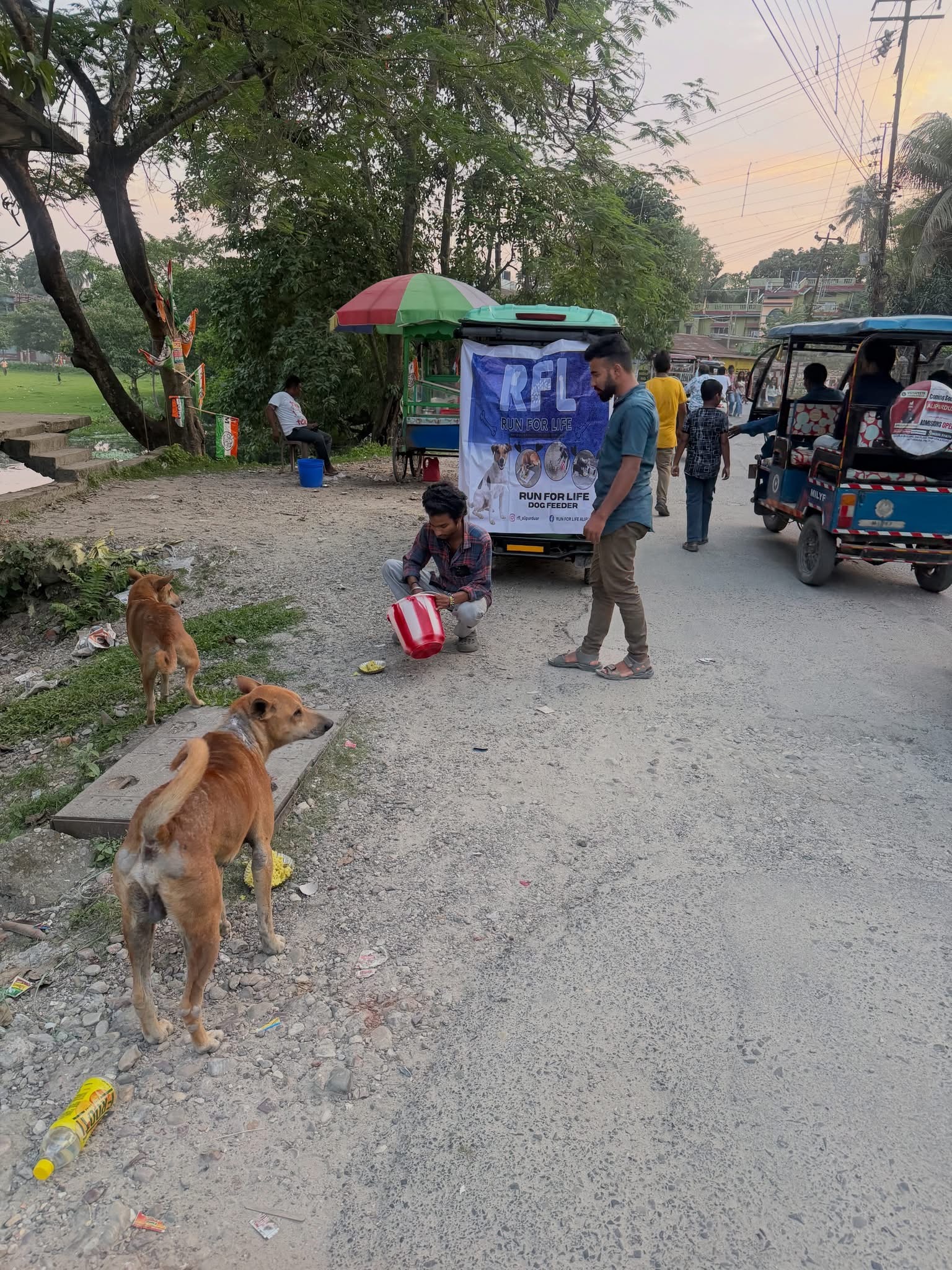
Every morning and every evening, our volunteers ride out across Alipurduar with bags of nutritious food — rice, kibble, milk, and protein for the most vulnerable. We follow set routes so the dogs know when to expect us. Routine is medicine.
Each dog is identified, photographed, and tracked. We know who's pregnant, who's injured, who's new to a locality. Feeding isn't just about food — it's about presence.
Medical Camps.
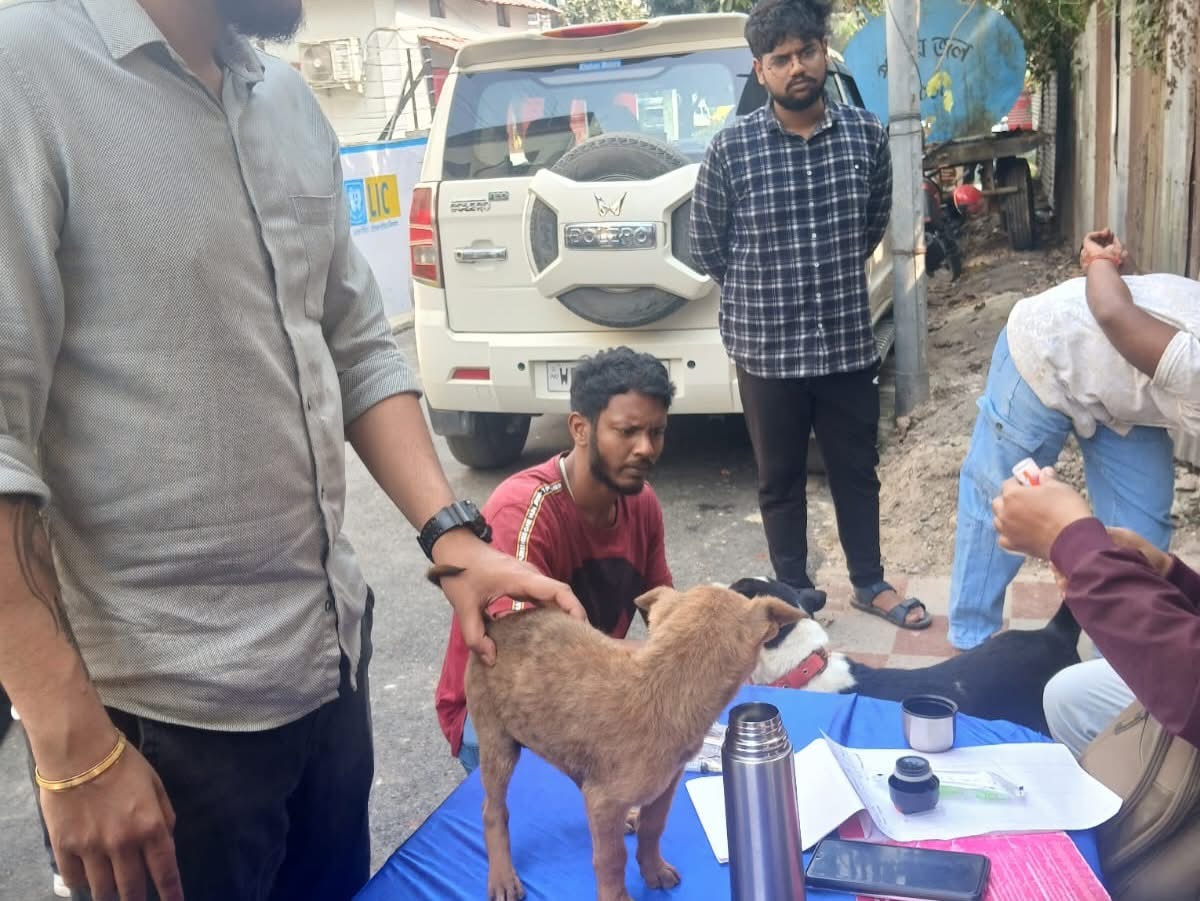
In partnership with local veterinarians, we run vaccination and sterilization camps every month. Rabies, distemper, parvo — we vaccinate against everything that kills strays in India. Sterilization keeps populations stable and reduces suffering long-term.
Our emergency rescue team handles wounds, road accidents, and acute illness. We've coordinated 100+ rescues in the past year alone — each one a life that wouldn't have survived another day on the streets.
Village Outreach.
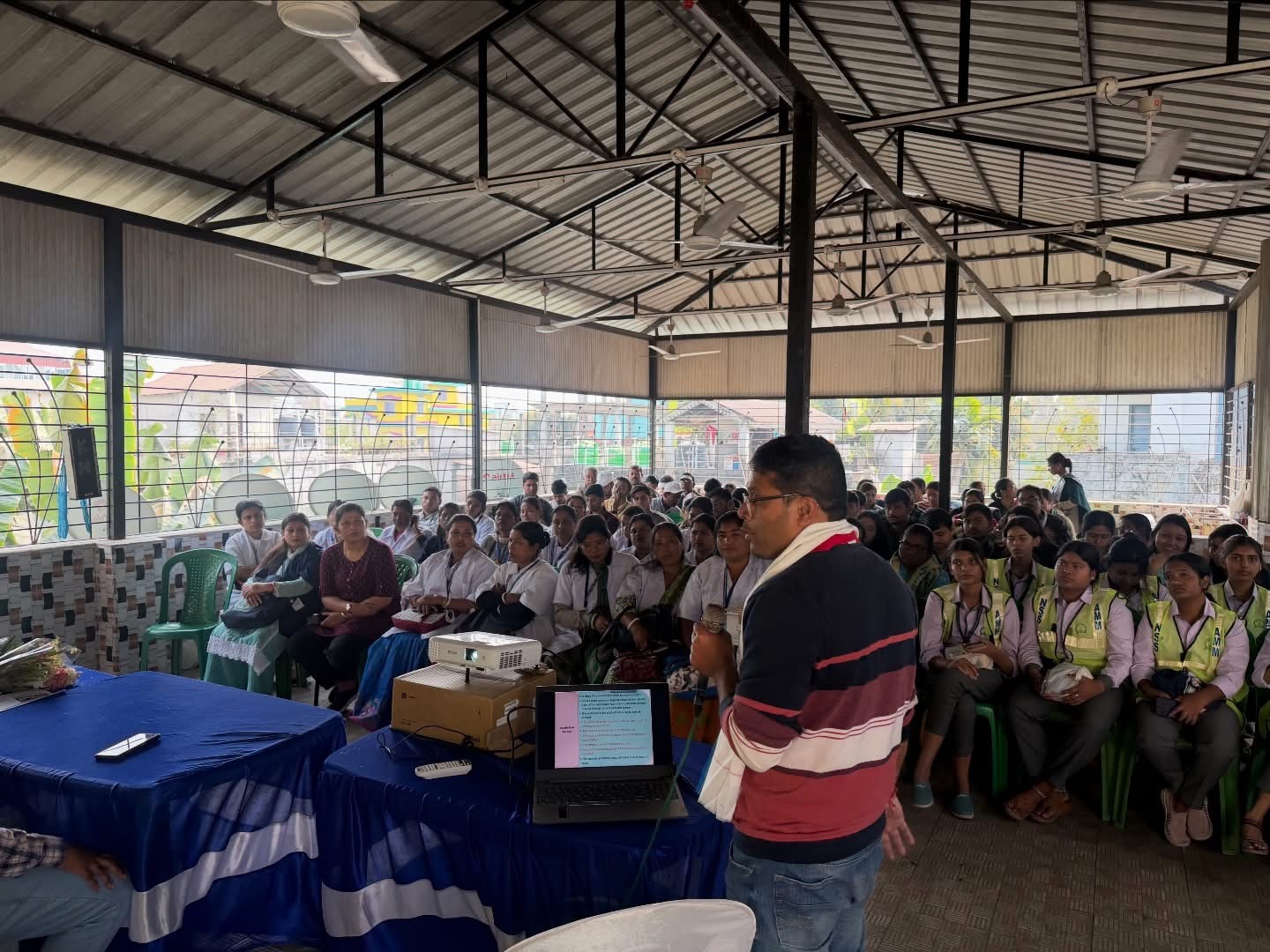
The streets of towns get attention. Villages don't. That's why we travel — to Kalchini, Falakata, Madarihat, and 25+ other villages around Alipurduar — bringing food, vaccines, and awareness to dogs no one else reaches.
Rural India has its own animal welfare reality: more strays, fewer vets, deeper superstitions. We work with village panchayats, schools and local volunteers to build sustainable, locally-owned animal care wherever we go.
Awareness &
Education.
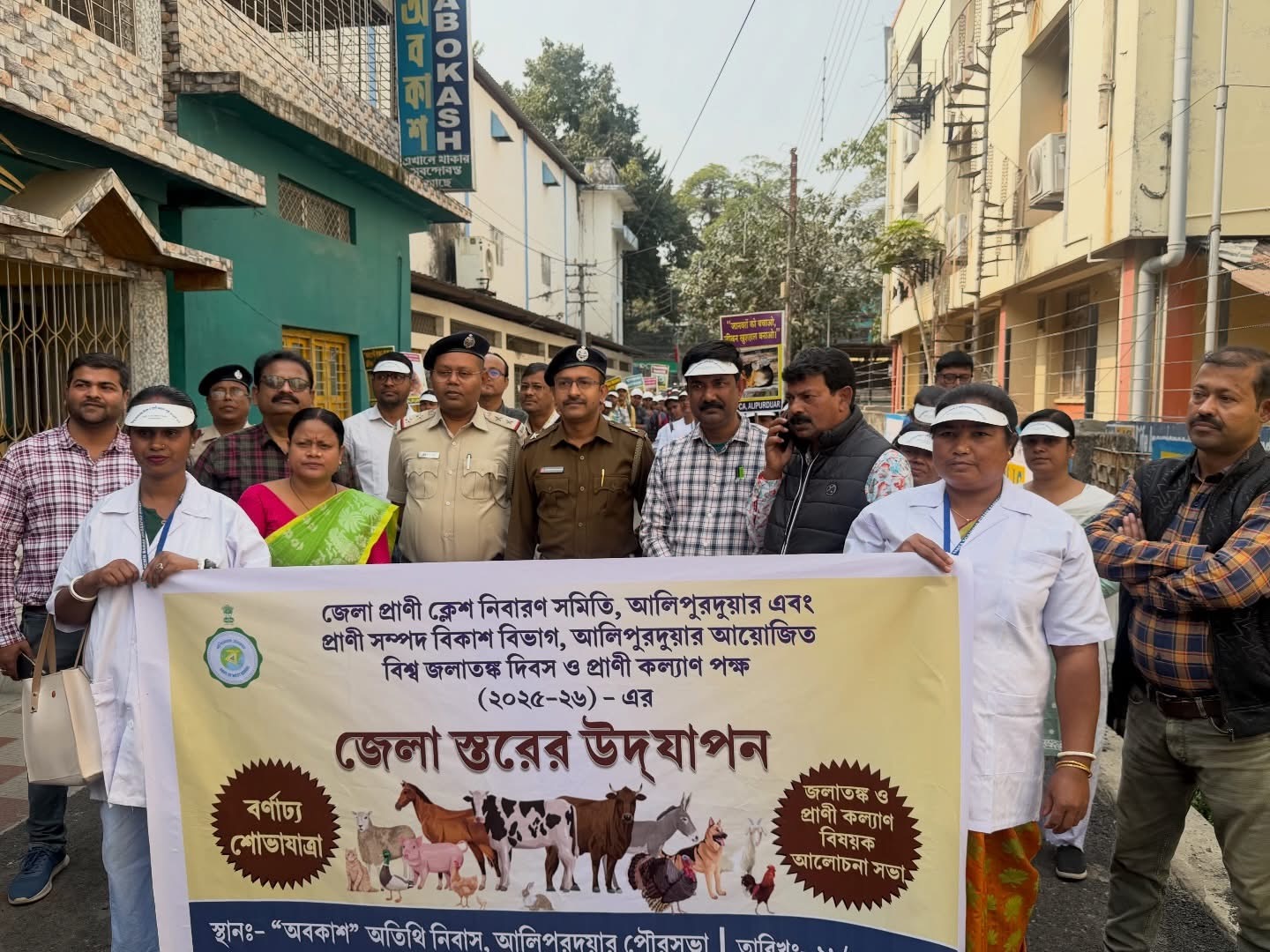
Long-term change doesn't come from feeding alone — it comes from changing how communities see strays. We run school programs, social media campaigns, and community workshops on stray welfare, rabies prevention, and responsible coexistence.
Our Instagram (@rfl_alipurduar) has become a daily diary of street life in Alipurduar — and a quiet revolution in how locals view the dogs they once ignored.